7 Bedroom Design Tips for a Calm, Comfortable Space
Your bedroom is one of the most important spaces in your home. It’s where you relax, de-stress, and settle down to sleep at the end of the day.
The way you decorate it should support that sense of comfort while also creating a room you enjoy looking at.
I’m sharing seven interior design tips to help you create a bedroom that feels relaxing and looks beautiful, from choosing your colors and lighting to adding soft textures and clearing clutter.
1. Create a Focal Point With an Accent Wall
An accent wall adds interest by making one wall more decorative than the others. An accent wall creates a focal point and introduces some contrast into the room.
You can add wood panels, architectural details, or a decorative mirror.
If your space is still under construction, consider incorporating an interesting wall design at that stage.
Wallpaper is another way to create a beautiful focal point. You can cover the entire wall or limit it to the width of your bed or headboard.
The Takeaway
Choose one wall and give it a little extra attention. That single feature can make your bedroom feel more visually appealing.

2. Choose Furniture That Works Together
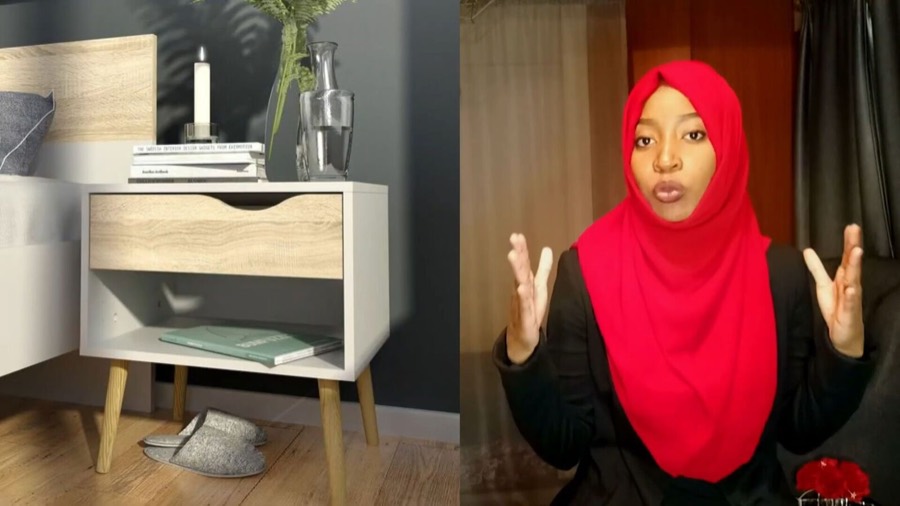
Nightstands help pull a bedroom together. Make sure they coordinate with your wall design, bed, and other furniture.
For a clean, contemporary look, consider floating nightstands. Their simple design fits well in a modern bedroom.
As you choose the rest of your furniture, look for coordinating materials and textures. Each piece should contribute to the overall composition so the room feels cohesive.
3. Use a Calm Color Palette
Your color choices help set the mood of the room. For a bedroom, I recommend a palette that feels peaceful and relaxing.
Start with neutral colors such as white, gray, or beige. Cool colors, including blues and greens, are also options for creating a calm atmosphere.
I would avoid using bold reds or yellows across large wall areas when the goal is a restful space.
Tip
If you love bold colors, introduce them in smaller amounts through pillowcases, flowers, candles, or other accessories.
4. Keep Your Lighting Warm
Lighting deserves just as much consideration as color. Light comes in different temperatures, from cooler white tones to warmer yellow tones.
For the bedroom, I prefer warm lighting. Think of the yellow and orange tones you see as the sun goes down—that’s the kind of atmosphere that creates a relaxing bedroom.
Warm light throughout the room helps create a comfortable setting for winding down.
5. Add Soft, Comfortable Textures
A bedroom should feel comfortable as well as look inviting. Pay attention to the textures you choose for your floor, furniture, and bed.
Look for soft rugs or carpets. For cushions or an accent chair, you might consider a soft velvet material.
For sheets, blankets, and pillowcases, choose quality materials that feel soft and comfortable. These are pieces you use every day, so how they feel matters.
6. Clear Away Clutter
Too many unnecessary items can make a bedroom feel busy.
Make sure you have enough storage to put things away, and clear out items that don’t need to be in the room.
A cleaner, more orderly space helps create the calm environment you’re trying to achieve.
Before adding decor, make sure your room is starting off decluttered and organized.
7. Introduce a Relaxing Scent
Scent can be a finishing touch in your bedroom. Consider vanilla, lavender, jasmine, or another fragrance you personally find calming.
Final Thoughts
Creating a beautiful, relaxing bedroom comes down to considering how the elements work together.
Focus on a decorative focal point, coordinated furniture, calm colors, warm lighting, and soft textures. Then keep the room tidy and add a scent you enjoy.
Use these ideas to guide your choices and create a bedroom that feels comfortable at the end of the day.